Due to AI-driven layoffs? Study shows AI is more expensive than the humans it replaces
Due to AI-driven layoffs? Study shows AI is more expensive than the humans it replaces


Is AI More Expensive Than the Humans It Replaces?
Nearly 50,000 employees have already been laid off this year under the pretext of AI—nearly matching the total for all of 2025. For companies adopting AI, the logic is straightforward: AI can perform tasks humans do.
But in recent weeks, this logic has hit a wall. An increasing number of enterprises are discovering that the actual cost of deploying AI exceeds the cost of the human labor it’s meant to replace.
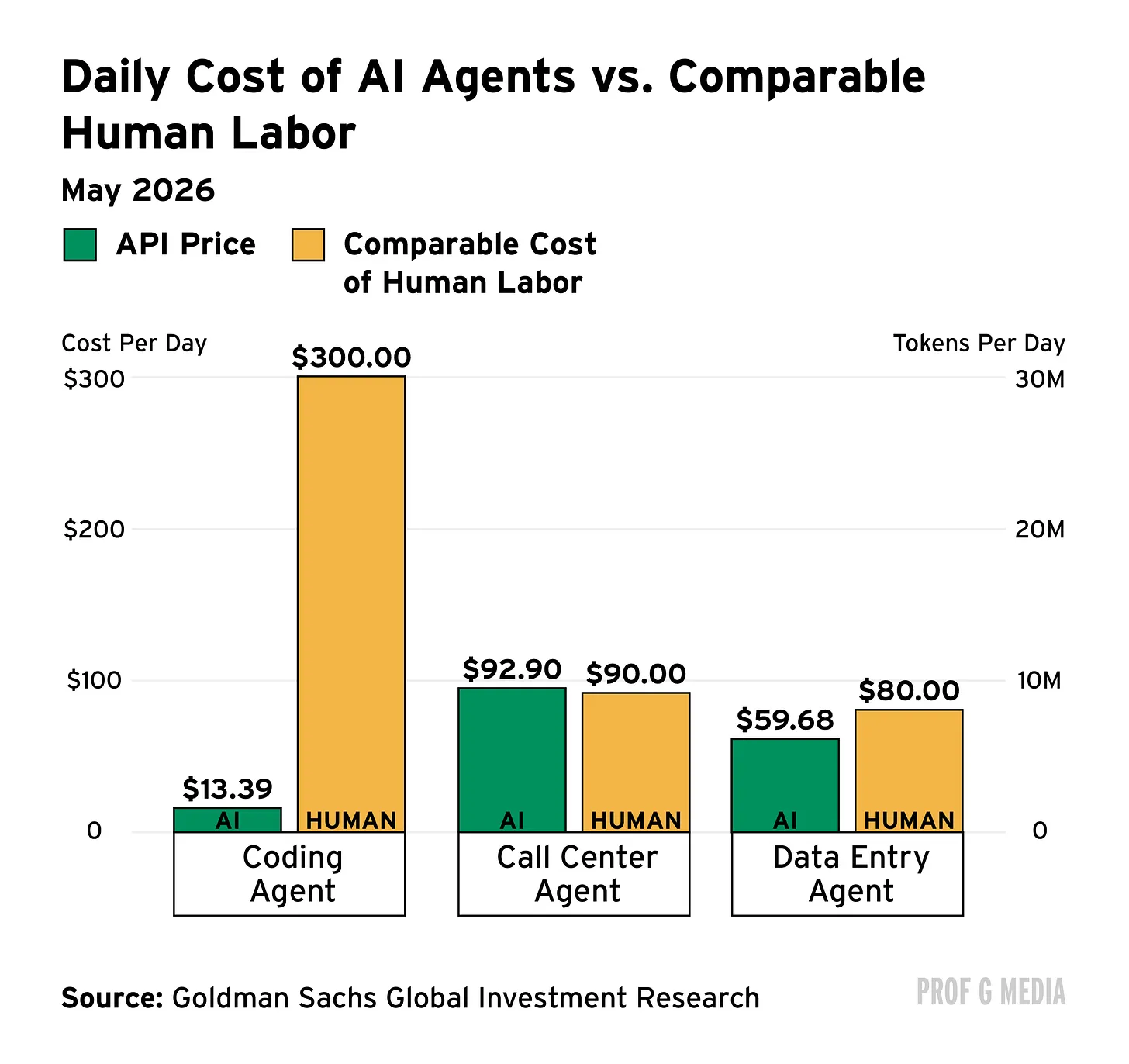
Uber burned through its entire 2026 AI budget in just four months. The COO noted it’s increasingly difficult to justify AI spending internally. Microsoft is cutting Claude Code licenses across multiple departments—just one word explains why: expensive.
A senior executive at Nvidia stated that compute costs now “far exceed” employee expenses. Meta, Pinterest, and Spotify all cited rising inference costs as a drag on profitability in their Q1 earnings reports.
How large are corporate AI budgets? A survey by cloud cost management firm CloudZero reveals that in 2025, 45% of enterprises spent over $100,000 monthly on AI—up from just 20% the previous year.
An even more extreme case within Anthropic: one employee spent $150,000 on Claude Code in a single month. To make that expenditure worthwhile, the engineer would need to deliver the output equivalent of 11 full-time developers.
In today’s market, the performative value of “efficiency” is so heavily rewarded that companies don’t even need to calculate real ROI. Of the S&P 500, 79% referenced AI in recent earnings calls—but only 8% disclosed any AI-related revenue.
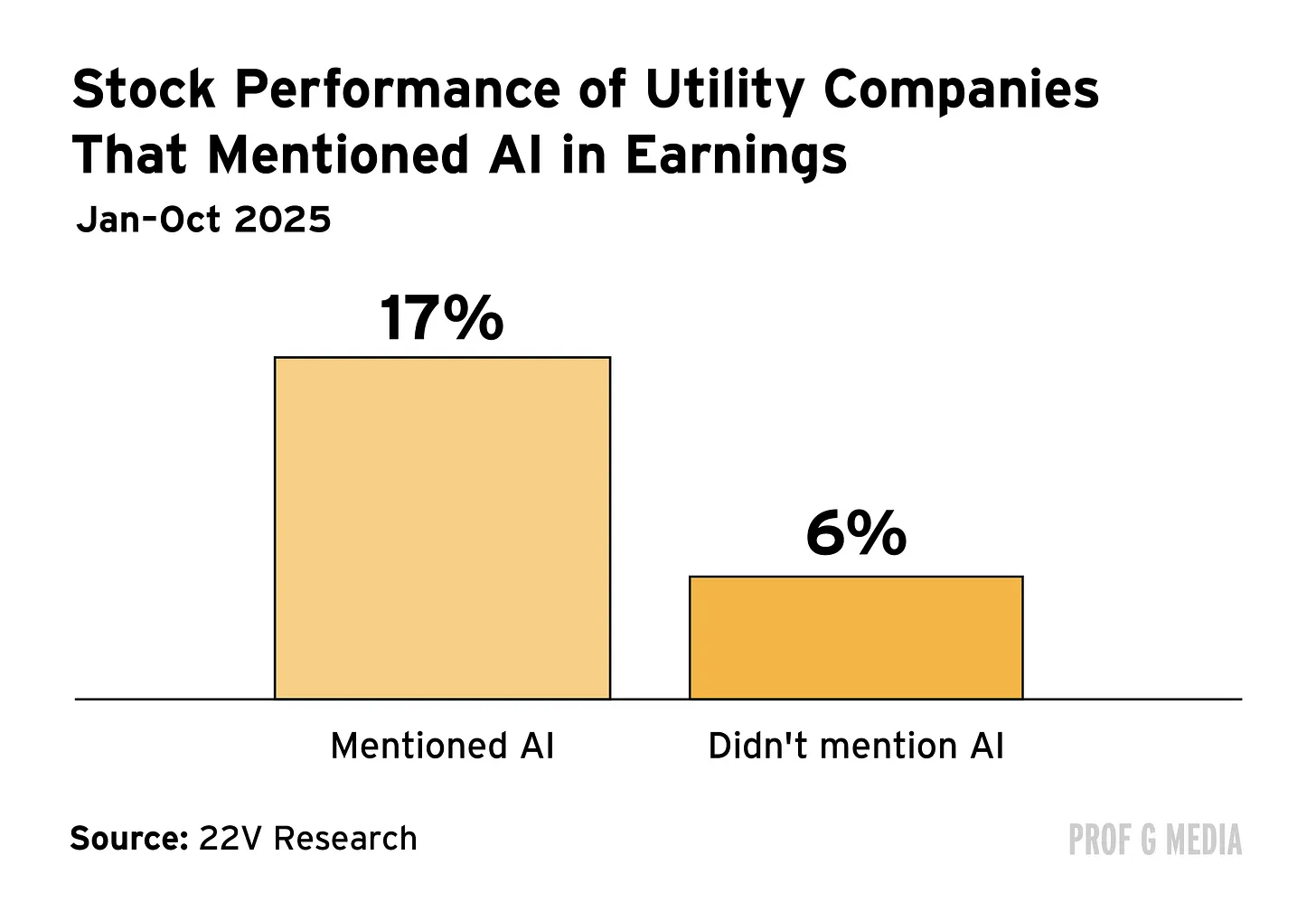
The same CloudZero report also found that only half of surveyed firms feel confident assessing the return on their AI investments. Match Group CEO Spencer Rascoff said AI costs the company between $5 million and $10 million annually. When asked about ROI, he replied: “I think we’re benefiting, but it’s hard to measure.”
Chinese Large Models Will Be the Biggest Winners
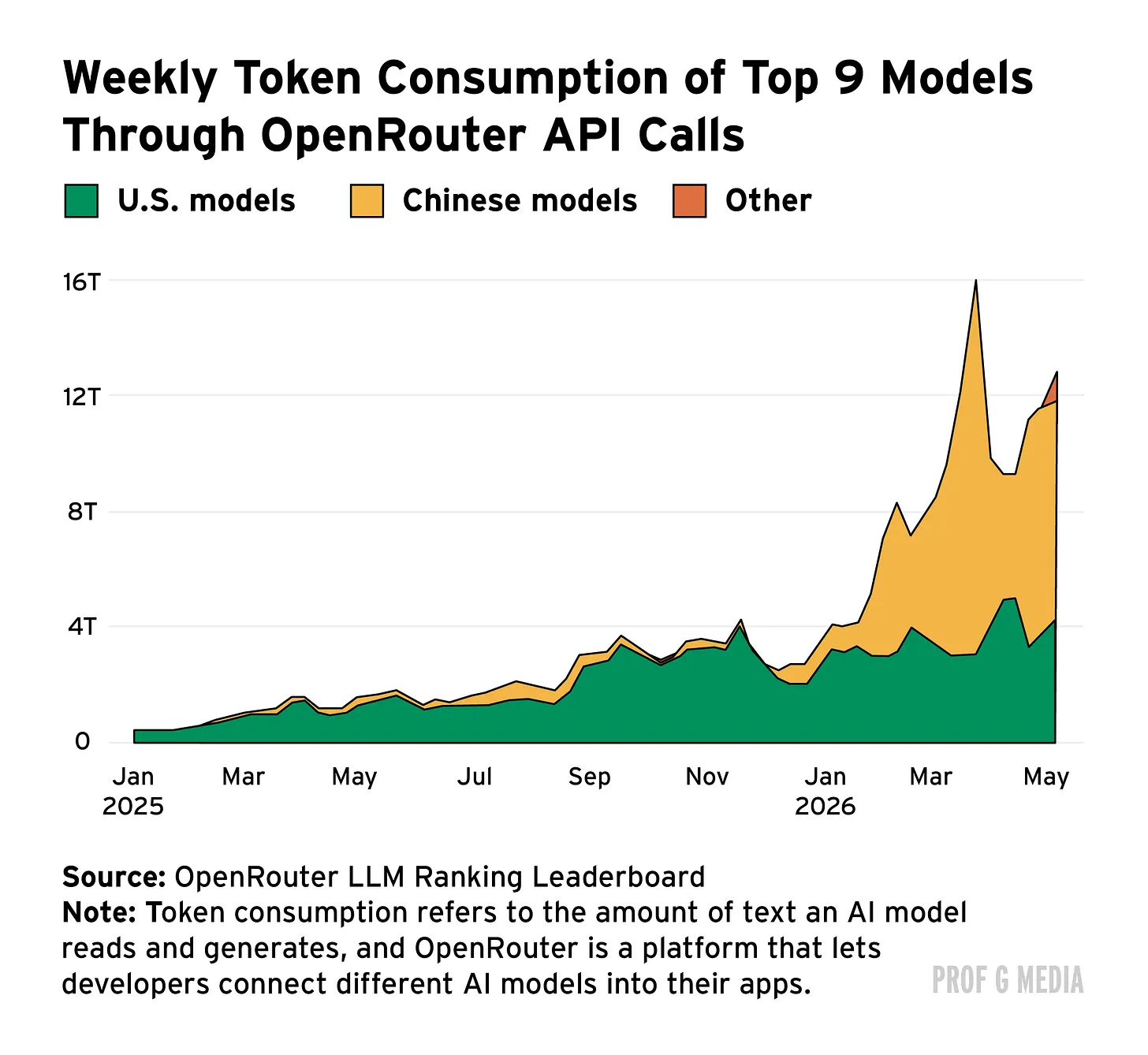
Scott Galloway predicts that enterprises will ultimately shift to the cheapest models available—the Chinese large models. Chinese models are priced 10 to 30 times lower than their U.S.-based counterparts.
Data is already validating this trend: the share of Chinese models in developer usage has surged from around 1% in 2024 to over 60% by May this year, with 80% of U.S. AI startups now using open-source Chinese AI models.
Author: Scott Galloway / Ed Elson / Mia Silverio, Translated by DeepTide TechFlow, Images: Enterprise AI Cost Impact — AI Spending and Cost Feedback from Uber, Microsoft, Nvidia, Meta, etc.; Image: S&P 500 Corporate AI Discourse vs. Actual Revenue Disclosure; Image: Evolution of Chinese Large Model Usage Share Among Developers and Adoption by U.S. AI Startups
Disclaimer: Contains third-party opinions, does not constitute financial advice
Pharos Network Unlocks AI Model Payment Channels, Introduces New Use Cases for $PROS and USDC as Platform Payment Instruments
9 days ago
NVIDIA Has Plenty of Cash—Why Is It Borrowing $20 Billion?
9 days ago
Will Claude Ban Accounts and Verify ID Cards? Face Recognition Was Old News from Two Months Ago, and "Handing Over Data to Police" Is a Misinterpretation
10 days ago
Japan's Central Bank on the Brink of Rate Hike—Can the AI Bull Run Withstand?
10 days ago
5-Second Breakthrough with Just 1 Interaction: Has the "Strongest Security Mechanism" of Claude Fable 5 Been Cracked by a Chinese Team?
12 days ago
Why Is the "AI Service Subscription Model" Inevitably Headed for Extinction?
12 days ago
Managing a company valued at nearly a trillion dollars, Anthropic's CEO has only one direct report.
12 days ago


