
ChainThink
Stay ahead, master crypto insights
30 Million Tokens Burned, Can BGB Replicate BNB's Valuation Miracle
30 Million Tokens Burned, Can BGB Replicate BNB's Valuation Miracle

2025-04-17 16:18
Author: WhiteRunner
In the first quarter of 2025, Bitget announced the destruction of 30 million BGB tokens. The amount accounted for 2.5% of the total supply, triggering renewed market attention on the platform coin's deflationary mechanism.
This proportion is relatively high among mainstream platform coins and marks that Bitget is accelerating the structural path of BGB deflation. This article will analyze the rhythm and causes of this round of destruction, combined with the design of the platform's deflation mechanism and the actual usage scenarios of BGB, to interpret the underlying supply and demand logic.
I. 30 Million Destroyed: Faster and Stronger
According to Bitget's official announcement, the total amount destroyed in this quarter was 30 million BGB, accounting for 2.5% of the current 1.2 billion total supply. This destruction ratio is significantly higher than most platform coins (for example, BNB's single destruction ratio in the past was around 1%).
Bitget's announcement shows that this destruction is based on the Gas fees generated by the first-quarter on-chain products, and it is executed in conjunction with the established quarterly deflation plan. All destruction transactions have been recorded on the blockchain for user verification.
Previously, Bitget destroyed 800 million holdings, locking the current total supply of BGB at 1.2 billion and achieving 100% full circulation. This means that the platform no longer retains any reserved tokens or subsequent release space, further enhancing the market's basis for assessing scarcity.
II. Mechanism Design Behind the Destruction Rhythm
Bitget's operations on BGB deflation are not isolated "occasional destructions," but rather entered a mechanism-driven, fixed-cycle destruction phase since 2025.
Currently, BGB destruction mainly comes from two sources: fees generated from on-chain usage and fixed destruction amounts, both of which together form the basis for quarterly destruction.

Bitget's official disclosure states that starting from 2025, each quarter will calculate the destruction amount based on the actual on-chain activities in the Bitget Wallet ecosystem, and the total gas fees generated by users will be used as the basis for calculation.
The basic logic is: higher on-chain usage → more widespread BGB usage → more BGB destruction
This means that destruction is linked to user behavior and the platform's actual on-chain activity, with a certain degree of flexibility. After each quarter ends, the platform will synchronize and publish the destruction results, and the destruction transactions will be recorded on the blockchain, allowing users to verify them themselves via the block browser.
In addition, Bitget also destroys a fixed amount, which can be considered as the platform's active support for deflation, regarded as a way of managing the value of the platform coin.
Currently, this mechanism is similar to the "destruction" model of older platform coins like BNB and OKB, but BGB's destruction does not rely on a single business line, covering a broader range and having a more frequent rhythm (quarterly, rather than semi-annual or irregular).
Overall, the core characteristics of BGB's destruction mechanism are:
● Stable sources: Based on actual on-chain usage;
● Fixed cycles: Executed quarterly, improving rhythm expectations;
● Public and transparent: Destruction results are checkable and operations are on-chain;
Linked to platform growth: The mechanism itself does not separate from business data, avoiding "empty rotation deflation."
These mechanism designs make BGB's supply control no longer solely dependent on platform promises, but embedded within products and user behavior, with a certain degree of self-driving capability.
III. Actual Supply Has Tightened, Path Is Clear
In addition to entering the quarterly destruction mechanism, Bitget also executed a key action at the end of 2024 — destroying 800 million BGB held by the team in one go. This decision directly compressed the total supply of BGB from the original 2 billion to 1.2 billion, and explicitly announced that "BGB has now achieved 100% full circulation, and there are no more locked or reserved portions."
The impact of this operation is multi-faceted:
1. Completely Eliminate Potential Release Pressure
According to previous market expectations, the 800 million BGB originally retained by the Bitget team would be unlocked in multiple batches and across years. This batch originally constituted a long-term potential supply variable, which could also affect market expectations in the future.
Now, these tokens have been completely destroyed in one go, and will not enter the circulation market in the future. This "early clearing" approach is relatively rare in platform coin projects, eliminating uncertainties for long-term holders.
2. Total Supply Capped, Structure Transparent
After the destruction, the total supply of BGB is capped at 1.2 billion, and all of it is in circulation. Compared to some platform coins that still retain team shares, foundation locks, or reserved percentages, the supply structure of BGB is clearer and easier to evaluate.
In other words, what users currently see in the BGB market circulation is the actual supply and demand situation, without the risk of large-scale token releases in the future.
3. Responding to Users' Concerns About "Platform Control Ability"
In the context where cryptocurrency users generally focus on "whether the platform coin is controlled" and "whether there are large positions behind," Bitget team chose to completely abandon their holdings, which is equivalent to sending a signal: the platform will support the coin price structure through mechanisms rather than human intervention.
This action also attracted industry attention. Bitget's move is equivalent to "proactively giving up platform control space, letting BGB return to complete market logic," and believes that this is a signal of the platform coin governance structure moving towards transparency. For many observers, this "team exit, mechanism takeover" strategy is more in line with the current crypto market's expectation of decentralization and transparency.
IV. Beyond Deflation, Usage Scenarios Are Also Expanding
Unlike some platform coins that rely solely on destruction to drive deflation, BGB's deflation logic also includes a "locking + usage" dual binding mechanism: users using BGB on platform products automatically trigger locking or staking actions, thus continuously reducing the circulating supply.
These designs form an internal cycle: user usage → BGB locking → reduced market circulation → enhanced deflation expectations. Currently, this cycle mainly covers two dimensions: platform product participation and on-chain rights binding.
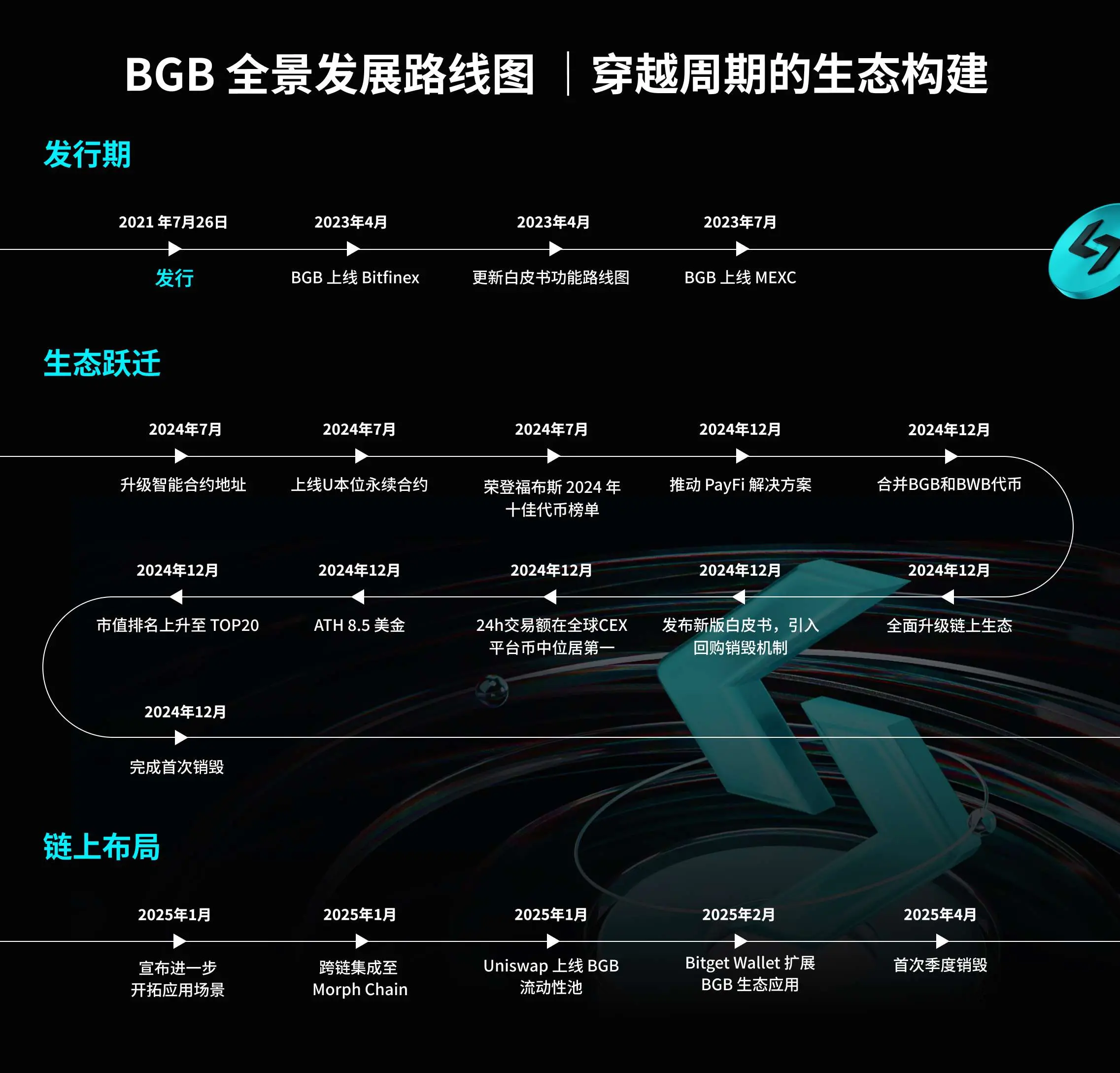
1. Platform Participation Products: Sharing Profits, Earning Income
As the core asset of the Bitget platform, BGB has been deeply integrated into various products, including but not limited to:
● Launchpad: Users stake BGB to gain eligibility to participate in new project purchases;
● Launchpool: Staking BGB can obtain new coin airdrops, which is a common channel for hot projects' cold starts;
● PoolX: Users stake BGB to participate in multi-asset portfolio yield strategies, combining short-term high yields with on-chain hot asset distribution;
● Financial Management Area: Yield product combinations designed around BGB, combining hot assets or structured strategies, further enhancing BGB's capital utilization rate.
The common characteristic of these products is: participation equals locking, and most products require time-limited staking or advance subscription, which has a significant impact on BGB's locking volume during periods of active market sentiment.
2. On-Chain Ecosystem Layout: From CeFi to DeFi
The usage of BGB is also gradually expanding to the on-chain ecosystem, mainly through Bitget Wallet and Morph chain. Current application paths include, but are not limited to:
● BGB Staking: Users can directly stake BGB on the Morph chain to get about 5% annualized fixed returns, used for subsequent ecological activities participation or incentive distribution;
● Gas Payment: BGB is already supported for use in Bitget Wallet's multi-chain GAS payments, lowering the user's cross-chain and currency exchange usage barriers;
● Future On-Chain Usage Planning: Bitget stated that it plans to use BGB for on-chain governance, identity binding, and priority right acquisition (such as NFT minting, DAO voting, etc.) in the future. These usages will further expand the functional boundaries of BGB in Web3 scenarios.
This part means that BGB is not only an exchange platform coin, but is also becoming a general-purpose token in Bitget's on-chain ecosystem, gradually connecting "centralized financial products" and "on-chain native financial behaviors."
Overall, BGB's usage paths cover multiple scenarios from CeFi financial products to DeFi on-chain interactions. Compared to pure destruction-based deflation, this usage-based deflation path is more sustainable, offers stronger user participation, and is more likely to form a stable market demand side.
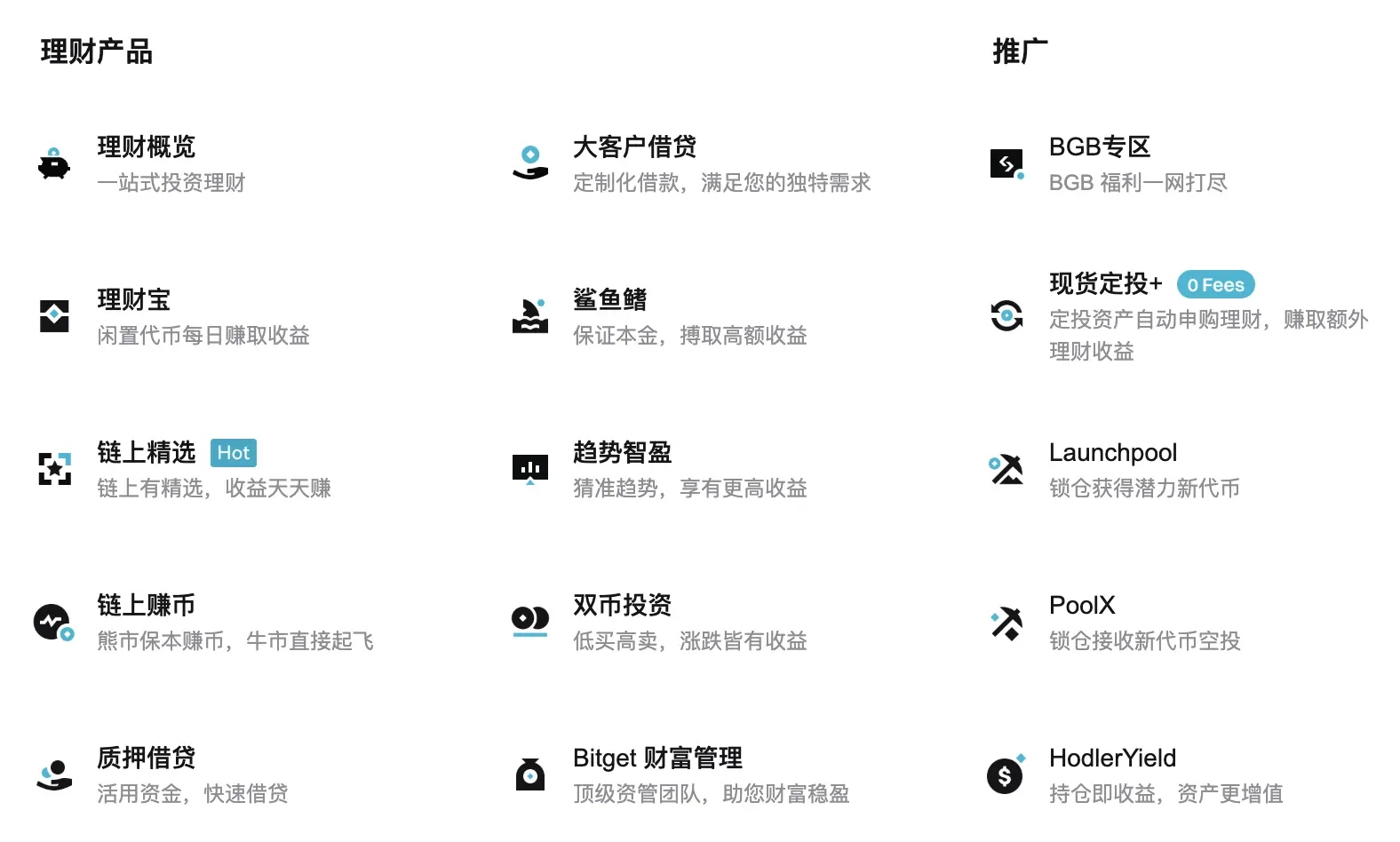
V. Clear Deflation Rhythm, Formed Usage Path
In summary, BGB's current deflation logic is no longer an isolated destruction behavior, but has formed a complete path driven by mechanisms, application binding, and predictable rhythm.
This path includes at least three levels:
1. Clear and Normalized Deflation Mechanism
Destruction is carried out once per quarter, with the amount of destruction related to on-chain usage and platform profits, possessing adaptability;
Core team holdings were completely destroyed by the end of 2024, and the current total supply is capped at 1.2 billion, with the supply side closed;
All destruction records are synchronized to the blockchain, data is checkable, and rules are verifiable, helping users build long-term trust.
2. Application Scenarios Gradually Expand, Forming an Internal Cycle
BGB can participate in various revenue-generating operations within the platform, such as Launch series products, financial management, and strategy combinations;
On-chain, it can be used for staking, Gas payment, and has expansion capabilities for future governance, NFT, and identity binding;
Users' "usage behavior" naturally constitutes "locking actions," indirectly driving the reduction of market circulation.
3. Value Logic Closer to "Practical Platform Asset"
Many platform coins were previously criticized for relying solely on destruction without practical use, but BGB's current path is more inclined toward a practical asset model: destruction controls scarcity → usage builds demand → users can receive returns.
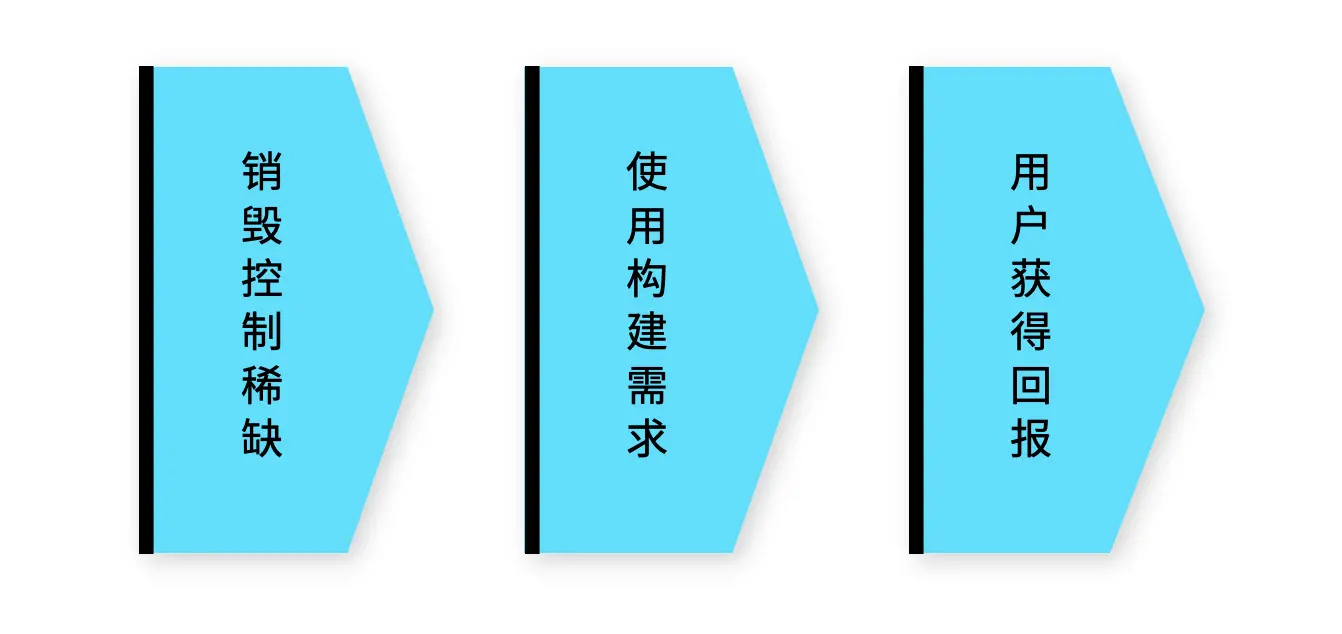
BGB has evolved from an initial "transaction fee function coin" into one of the core assets in the Bitget ecosystem. This logic not only allows it to maintain continuous circulation on the CeFi platform level, but also begins to form substantial effects in on-chain wallet, staking incentives, and project participation scenarios.
Conclusion: Price is Not Just Expectation, but Structural Realization
Looking back at BGB's price performance over the past three years:
● High point in 2022: $0.2387
● High point in 2023: $0.6950
● New historical high in 2024: $8.50
Each surge corresponds to the platform's strategic realization: 2022 was the starting point of exchange growth, 2023 was the expansion of the product system, and 2024 was the launch of the deflation mechanism and the implementation of team coin destruction.
So, what new price range can BGB reach in 2025?
Referring to the current platform size, BGB's market value position, and price structure, the reasonable range may be between $15-$20, and even some aggressive models give a $30 upside.
This is not just imagination, but based on the compounded "structural valuation re-pricing" of the platform's continued growth in transaction volume, stable quarterly destruction rhythm, and expanding on-chain application scenarios.
In other words, BGB's upward logic has shifted from "speculation on expectations" to "waiting for realization".
For token holders, the core issue of judging its potential has changed from "how much it can rise" to "whether it has embarked on a structural growth path." And from the current mechanism, ecosystem, and trading activity, BGB indeed has the characteristics of being supported from below and anchored from above as an asset.
Among all assets, those that are truly worth long-term attention are always those that have built a value support framework but whose prices have not yet been fully priced.
At this moment, BGB is exactly at that critical point.
Disclaimer: Contains third-party opinions, does not constitute financial advice


OpenClaw Practical Guide
This column focuses on the real progress of Agents: technological evolution, application implementat

Crypto Weekly
Tracking on-chain movements of the smart money and institutions

Frontier Insights
Spotlight on Frontier, trending projects, and breaking events

Blowup Alert
As the 2026 crypto bear market deepens, exit scams and project blowups are becoming increasingly fre

Regulatory Watch
American Crypto Act – timely interpretations of policies worldwide

Popular Airdrop Tutorial
Selected potential airdrop opportunities to gain big with small investments

FusnChain
FusnChain